Roof Ventilation: Why It Matters and How It Affects Your Home
By [email protected]
When most homeowners think about their roofs, they picture shingles, gutters, or maybe even flashing, but rarely ventilation. But proper roof ventilation plays a critical role in your home's overall health, comfort, and efficiency. It helps regulate temperature, prevent moisture buildup, and even extend the lifespan of your roofing materials. Without efficient roof ventilation, you could face costly energy bills, mold problems, and premature roof failure.
Let's discuss why roof ventilation matters, the different types of roof ventilators available, and how to tell if your current system is underperforming. Whether you're building a new home or maintaining an existing one, this guide will help you understand how a well-ventilated roof protects your investment.
Looking for more attic-specific guidance? Check out our complete guide to attic ventilation.
Why Is Roof Ventilation So Important?
Roof ventilation isn't just a nice-to-have feature - it's essential for protecting your home year-round. When air flows properly through the attic and under the roof deck, it keeps your home cooler in the summer, drier in the winter, and more energy efficient overall.
Here's how:
- Prevents heat buildup in summer
On hot days, heat can get trapped in your attic, making the rest of your home harder to cool. Proper roof ventilation allows hot air to escape, keeping your attic (and whole house) at a more manageable temperature. - Reduces moisture accumulation in winter
In colder months, warm indoor air can rise into the attic and condense on cold surfaces, leading to moisture problems like mold, mildew, and rot. Good ventilation helps move that moist air out before it causes damage. - Helps HVAC systems run more efficiently
When your attic isn't overheating or holding excess moisture, your heating and cooling systems don't have to work as hard, which lowers your energy bills and reduces wear and tear on your HVAC unit. - Extends the life of roofing materials
Trapped heat and moisture can break down shingles, warp decking, and weaken underlayment. With proper airflow, your roof stays dry and cool, helping materials last longer and reducing the need for costly repairs.
The Cost- and Health-Saving Benefits
Proper roof ventilation isn't just about comfort - it can save you serious money and protect your health. A well-ventilated roof can lower energy costs, reduce repair needs, and help prevent mold growth that can trigger respiratory issues. It's a simple upgrade that pays off in the long run, both for your wallet and well-being.
5 Common Roof Ventilation Types
A balanced roof ventilation system includes intake vents, which draw cooler air into the attic, and exhaust vents, which allow warm, moist air to escape. Together, they promote continuous airflow that protects your home from damage and improves energy efficiency.
Here are five common types of roof ventilators used in residential homes:
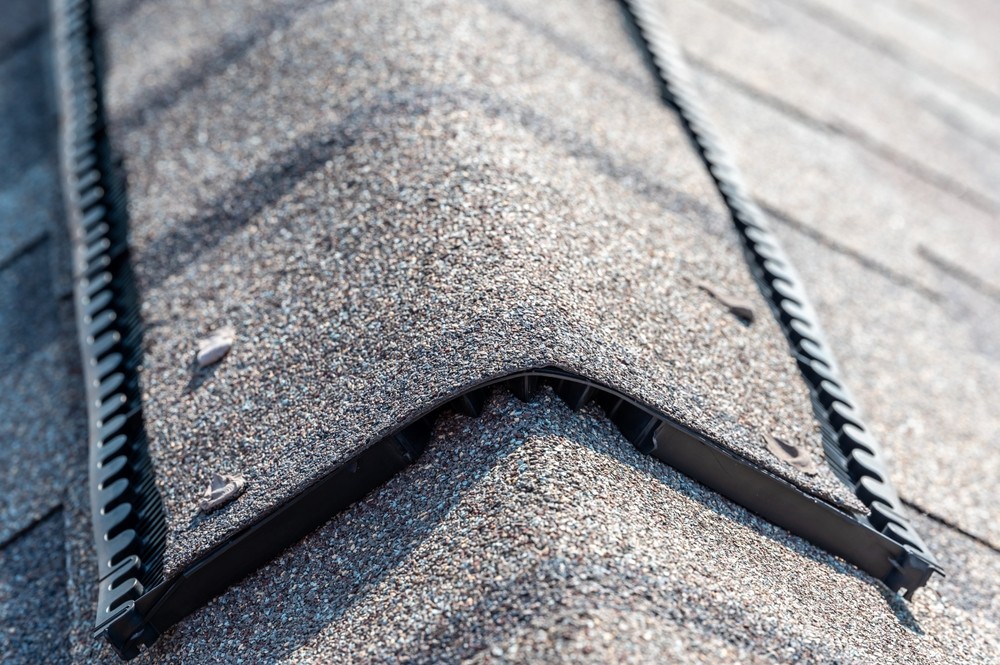
1. Ridge Vents (Exhaust)
Ridge vents are installed along the peak of the roof and allow hot air to escape naturally from the attic. Since heat rises, these vents are highly effective at promoting continuous airflow without the need for moving parts or electricity.
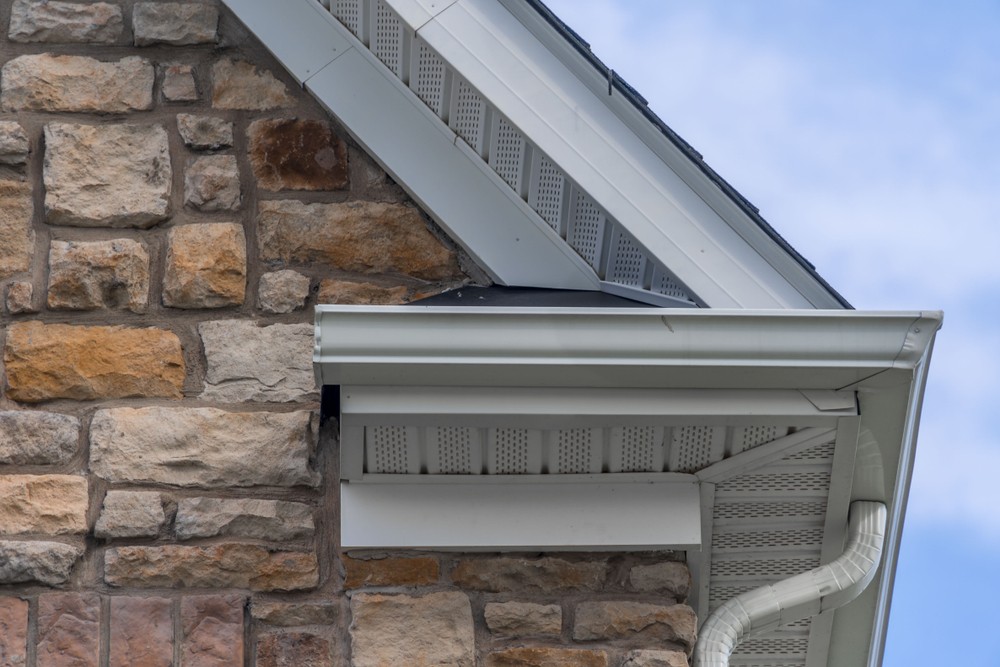
2. Soffit Vents (Intake)
Located under the eaves of your roof, soffit vents allow cool, outside air to enter the attic. When paired with ridge or other exhaust vents, they help maintain steady air flow through the space.
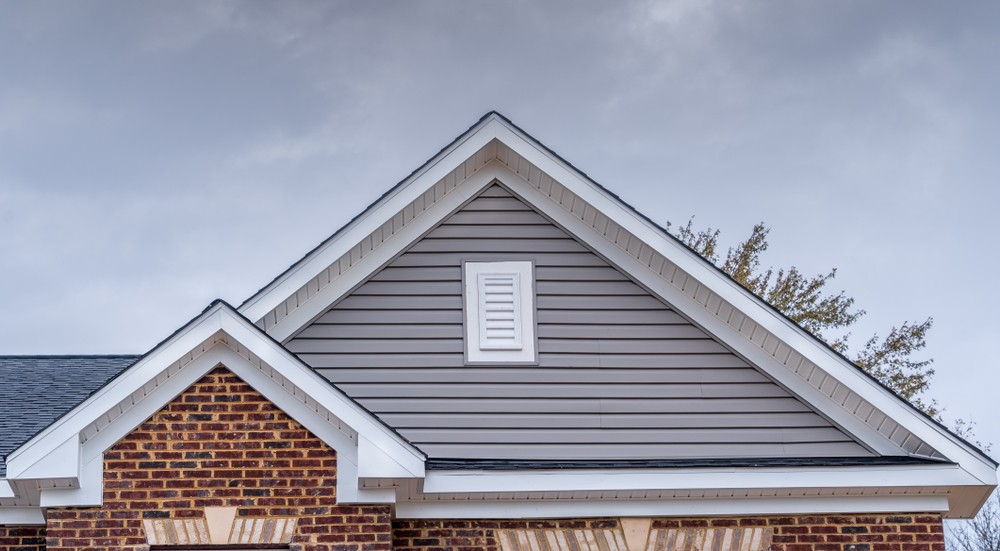
3. Gable Vents (Exhaust)
Gable vents are placed on the exterior walls near the peaks of gabled roofs. They allow warm air to exit and assist with cross-ventilation, especially in combination with other vent types.
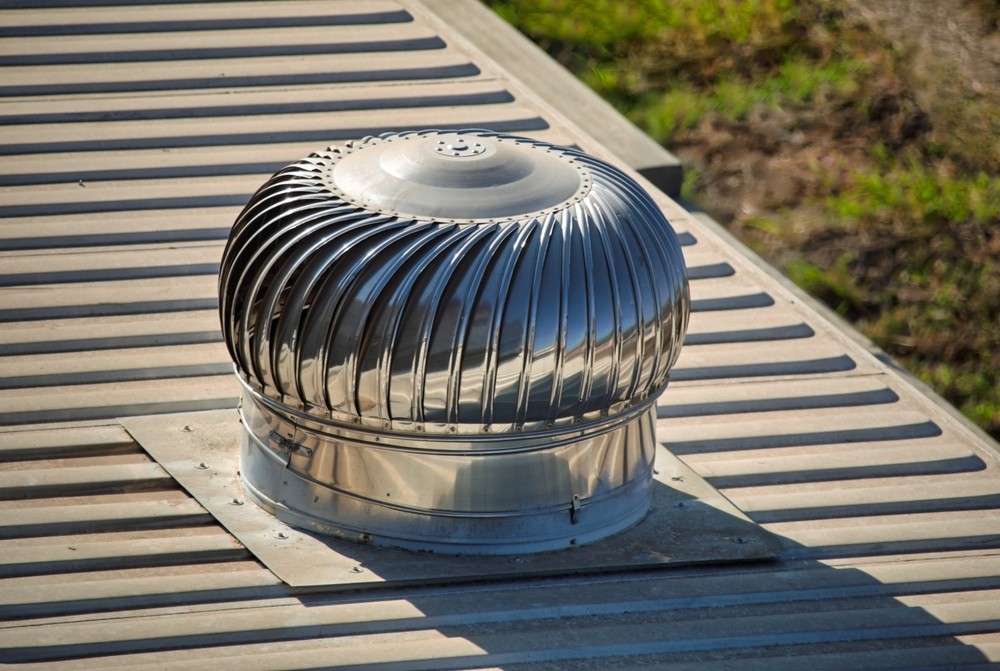
4. Roof Ventilation Fans (Exhaust)
Also known as powered attic ventilators, these electric or solar-powered fans actively pull hot, humid air out of the attic. They're especially useful in areas with extreme heat or poor natural airflow, though they do require energy to operate.
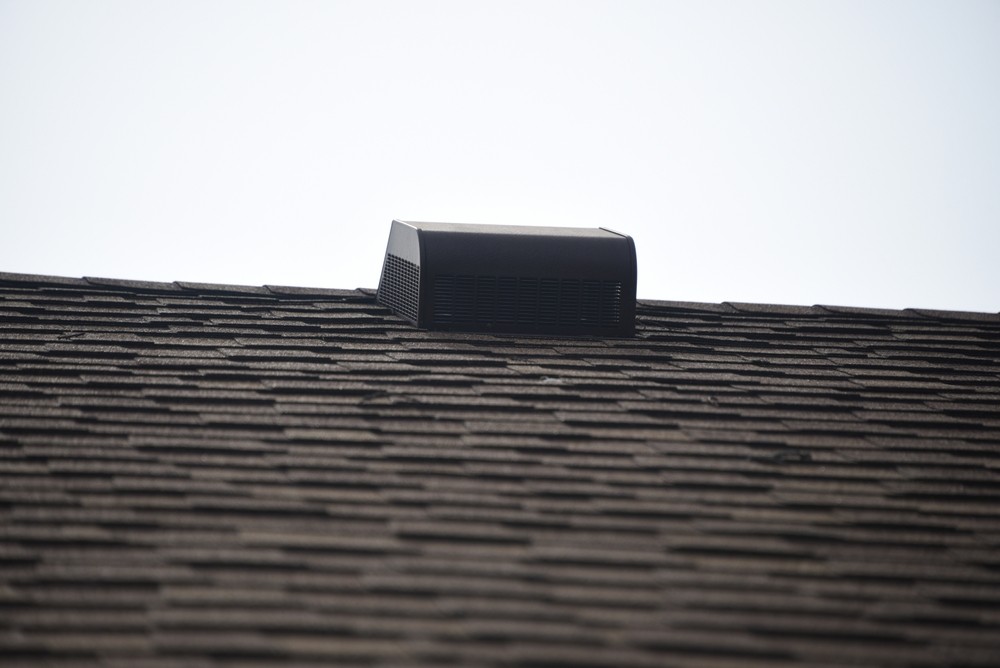
5. Box or Turtle Vents (Exhaust)
These are small, static vents typically placed near the roof ridge. They allow hot air to passively rise and escape. While simple, they can be effective when installed in the correct quantity and paired with proper intake vents.
How to Know If Your Home Has Poor Roof Ventilation
Not sure if your home's roof ventilation is doing its job? Poor ventilation often flies under the radar until it causes noticeable (and costly) problems.
Here are some common warning signs to watch for:
- Uneven temperatures throughout the home
If some rooms are noticeably hotter or colder than others, especially on upper floors, it could be a sign that your attic isn't properly ventilated. - High energy bills
Poor airflow can cause your HVAC system to work overtime, especially in the summer and winter. If your energy bills seem unusually high, inefficient ventilation could be to blame. - Ice dams in winter
Warm air trapped in the attic can melt snow on the roof, which then refreezes at the eaves, forming damaging ice dams. Proper ventilation helps regulate attic temperature to prevent this. - Mold or mildew in the attic
Excess moisture in the attic creates the perfect environment for mold and mildew growth, which can pose serious health risks and damage insulation and wood structures. - Premature roof wear
Curling shingles, deteriorating underlayment, or rotting roof decking can all be signs that your roof is retaining too much heat and moisture.
When to Call In a Professional
If you've noticed any of these issues or just want peace of mind, schedule a professional roof inspection. At Werner Roofing, we'll evaluate your home's ventilation system and recommend the best solutions to protect your roof and improve your home's energy efficiency.
How Werner Roofing Can Help
We understand that roof ventilation is one of the most critical and often overlooked components of a healthy roofing system. Our team has years of experience identifying, installing, and upgrading all types of roof ventilation systems, from ridge vents and soffit vents to powered roof ventilation fans.
If you're unsure whether your ventilation system is working properly, don't leave it to guesswork. Ask Werner Roofing for a professional roof inspection and expert recommendations tailored to your home. We'll help you find the best ventilation solution for long-term comfort and protection.
Ready to Improve Your Roof Ventilation?
Roof ventilation may not be the first thing that comes to mind when you think about home maintenance, but it plays a major role in keeping your home comfortable, energy-efficient, and protected from damage.
If you think your ventilation system isn't doing the job, don't wait for problems to show up. Contact Werner Roofing today for a professional roof inspection and expert solutions that keep your home safe, efficient, and built to last.