How Long Does a Roof Last in Michigan? (And 7 Signs Yours Might Be Near the End)
By [email protected]
If you're a Michigan homeowner, one of the most common questions you may find yourself asking is: "How long does a roof last in Michigan?"
It's a valid question, especially in a state where your roof takes a beating from lake-effect snow, heavy winds, rapid freeze-thaw cycles, and year-round temperature swings.
The short answer? Most roofs in Michigan last between 15-30 years, depending on the roofing material, installation quality, attic ventilation, and the amount of weather exposure your home receives.
This guide breaks down the expected lifespan of each roofing material, explains how Michigan's weather affects longevity, and highlights the key warning signs that your roof may be nearing the end of its life.
With this information, you'll know what to expect and how to plan ahead before minor issues turn into costly repairs.
How Long Does a Roof Last in Michigan?
Most roofs in Michigan last 15-30 years, depending on the material, installation quality, ventilation, and the amount of weather exposure the home receives.
Because Michigan experiences harsh winters, heavy lake-effect snow, and dramatic freeze-thaw cycles, roofs in this region often age 5-10 years faster than they would in warmer climates.
Roof Lifespans by Material: What Michigan Homeowners Can Expect
Michigan's climate plays a major role in how long each roofing material lasts.
Here's a breakdown of what homeowners can typically expect, plus how local weather impacts performance.
| Roofing Material | Typical Michigan Lifespan | Key Factors That Impact Longevity |
|---|---|---|
| Asphalt Shingles | 15-20 years | Heavy snow load, granule loss, freeze-thaw cycling |
| Architectural Shingles | 20-30 years | Proper attic ventilation, winter moisture exposure |
| Metal Roofing | 40-70 years | Excellent snow shedding, wind resistance, and rust protection |
| Cedar Shake | 20-30 years | Moisture retention requires ongoing maintenance |
| Flat Roofs (EPDM, TPO, PVC) | 20-30 years | Ponding water, membrane cracking in cold temperatures |
Quick Reference: Michigan Roof Lifespan Comparison Table
Asphalt Shingle Roof: 15-20 Year Lifespan in Michigan
Asphalt shingles are the most common roofing material in West Michigan, but they're also the most vulnerable to heavy snow loads and granule loss during winter storms.
Over time, the constant freeze-thaw cycle accelerates cracking and curling, shortening their lifespan.
Learn more: How Long Do Roof Shingles Last?
Architectural Shingles: 20-30 Year Lifespan in Michigan
Architectural shingles are thicker and more durable than standard asphalt shingles. They offer better protection against wind and weather.
Still, proper attic ventilation is crucial. Without it, Michigan's moisture-heavy winters can cause premature aging.
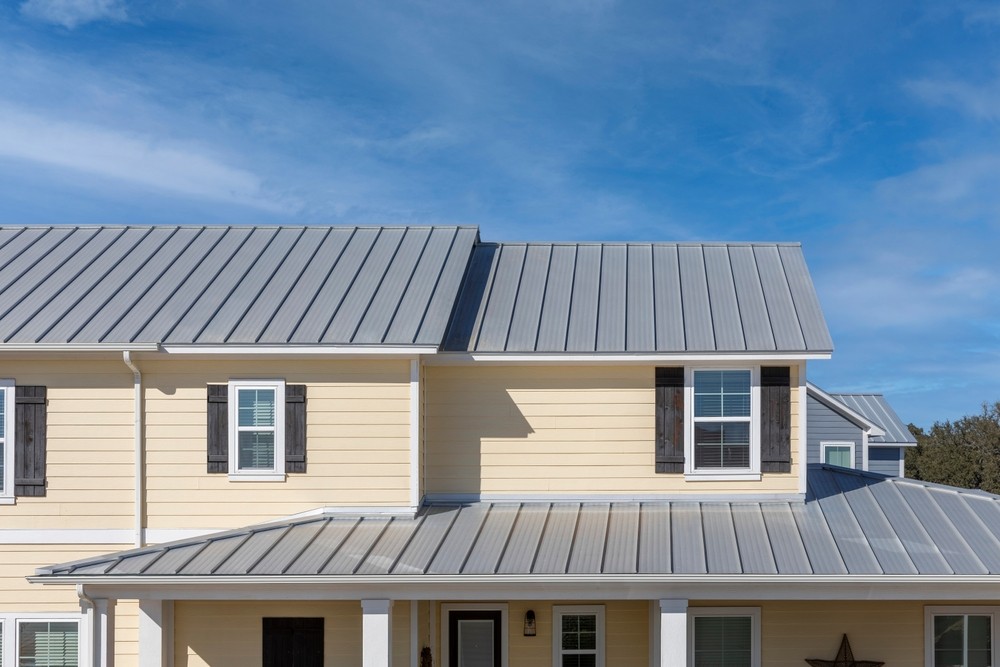
Metal Roof: 40-70 Year Lifespan in Michigan
Metal roofing performs exceptionally well in Michigan. It sheds snow easily, resists rot, and withstands wind and temperature swings far better than shingles.
If you're wondering how long a metal roof lasts, the answer is: a very long time - often several decades with minimal maintenance.
Cedar Shake Roof: 20-30 Year Lifespan in Michigan
Cedar shake roofs bring warmth and character to a home, but they require more upkeep in Michigan's humid summers and snowy winters.
Moisture retention can shorten the lifespan, unless the roof is well-maintained.
Flat & Low-Slope Roofs (EPDM, TPO, PVC): 20-30 Year Lifespan in Michigan
Flat roofing systems are standard for additions, porches, and certain architectural styles.
In Michigan, these roofs face challenges like ponding water, membrane cracking in cold temperatures, and ice formation around drainage points.
What Shortens Roof Lifespan in Michigan?
Michigan's climate is one of the primary factors influencing the lifespan of a roof. Even high-quality materials can wear out faster here due to constant exposure to harsh, shifting weather patterns.
Homes along the Lake Michigan shoreline often experience stronger wind gusts and heavier lake-effect snow, while inland and East Michigan homes see more rapid temperature swings. These microclimates can affect roof aging differently depending on where you live.
Here are the most common Michigan-specific conditions that shorten roof lifespan:
6 Factors That Affect Michigan Roofs' Lifespans
| Lake-Effect Snow |
|
|---|---|
| Freeze-Thaw Cycles |
|
| High Winds Off Lake Michigan |
|
| Ice Dams |
|
| Poor Attic Ventilation |
|
Note: If you notice wear on your asphalt shingles, consider our roof repair and replacement services.
7 Signs Your Roof Might Be Near the End of Its Lifespan
Even if your roof hasn't quite reached its expected lifespan, Michigan's weather can speed up wear and tear.
If you start noticing any of these issues, it's a good idea to schedule a professional inspection before minor problems turn into major repairs:
1. Curling, Cracked, or Missing Shingles
Shingles that are warped or falling off signal that the protective layers are breaking down, often accelerated by freeze-thaw cycles and high winds.
2. Granules Collecting in Gutters
If your gutters look sandy or filled with dark granules, your shingles are wearing out. This is a common early warning sign in Michigan, often caused by heavy snow and ice friction.
3. Frequent Ice Dams Every Winter
Ice dams are a red flag for ventilation or insulation issues and can indicate that your roof is struggling to maintain proper thermal balance.
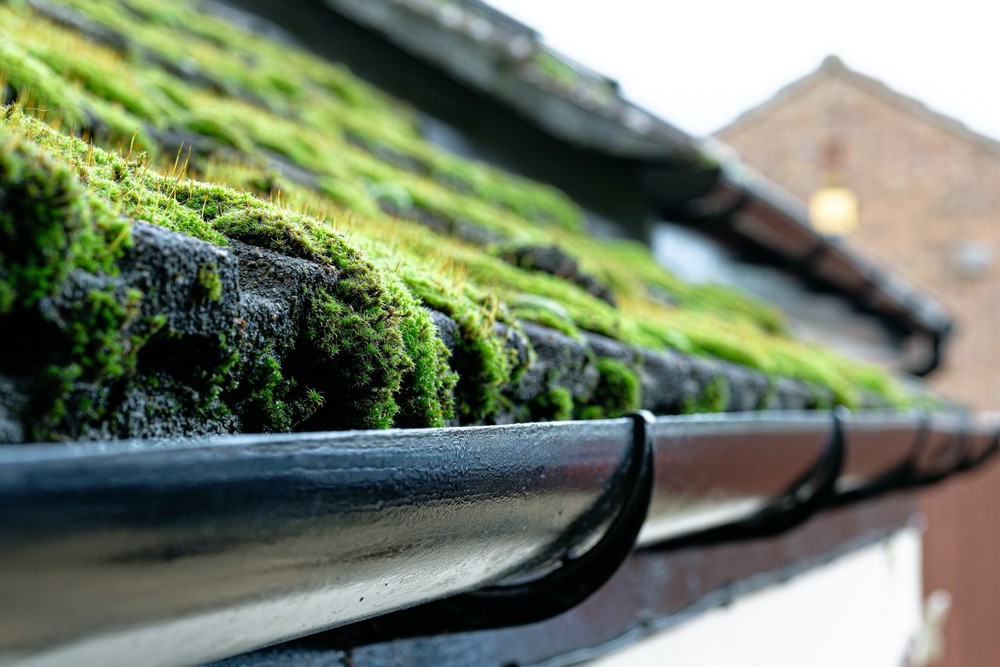
4. Dark Streaks, Algae, or Moss Growth
West Michigan's humidity fuels algae and moss, which hold moisture against the roof and speed deterioration.
5. Sagging Areas or Soft Spots
Sagging can indicate structural weakening beneath the shingles, often caused by prolonged exposure to moisture.
6. Water Stains on Ceilings or Attic Moisture
Roof leaks don't always start as dripping water. Early signs include discoloration, musty smells, or damp insulation.
7. Uneven Snow Melt Patterns
If parts of your roof melt faster than others, it could mean that heat is escaping through worn shingles or inadequate insulation - a common warning sign of Michigan winter.
Note: If you're experiencing any of these issues, schedule a free inspection with our team so we can assess your roof before winter weather exacerbates the damage.
FAQs: Michigan Roof Lifespan & Replacement
Q. Can winter weather permanently damage a roof?
A. Yes. Ice dams, heavy snow, high winds, and freeze-thaw cycles can cause long-term issues like cracking, moisture intrusion, and structural weakening.
Q. How often should my roof be inspected in Michigan?
A. Once a year is ideal, preferably in spring or fall. Regular inspections help catch winter damage early and prevent costly repairs.
Q. Is it better to replace a roof in winter or wait until spring?
A. Many Michigan roofing contractors (including Werner Roofing) can install roofs year-round, depending on temperature and weather conditions. Winter replacements are possible, but spring and fall typically offer the best conditions.
Q. How do I know if my roof needs to be repaired or replaced?
A. If damage is widespread, the roof is nearing the end of its expected lifespan, or you're noticing recurring issues like leaks or ice dams, roof replacement is often more cost-effective than ongoing repairs.
Michigan Weather Is Tough - But Your Roof Should Be Tougher
Staying proactive is the best way to extend your roof's lifespan and protect your home in the long term.
At Werner Roofing, we specialize in roofs designed for Michigan's unique weather conditions. Our team delivers trusted local expertise, award-winning service, and year-round installation so your home stays protected no matter the season.
Ready to make sure your roof is built for Michigan's toughest winters?
Contact Werner Roofing today to schedule a free inspection or request a quote.