by Werner-Admin | Aug 21, 2019 | Roof Repair
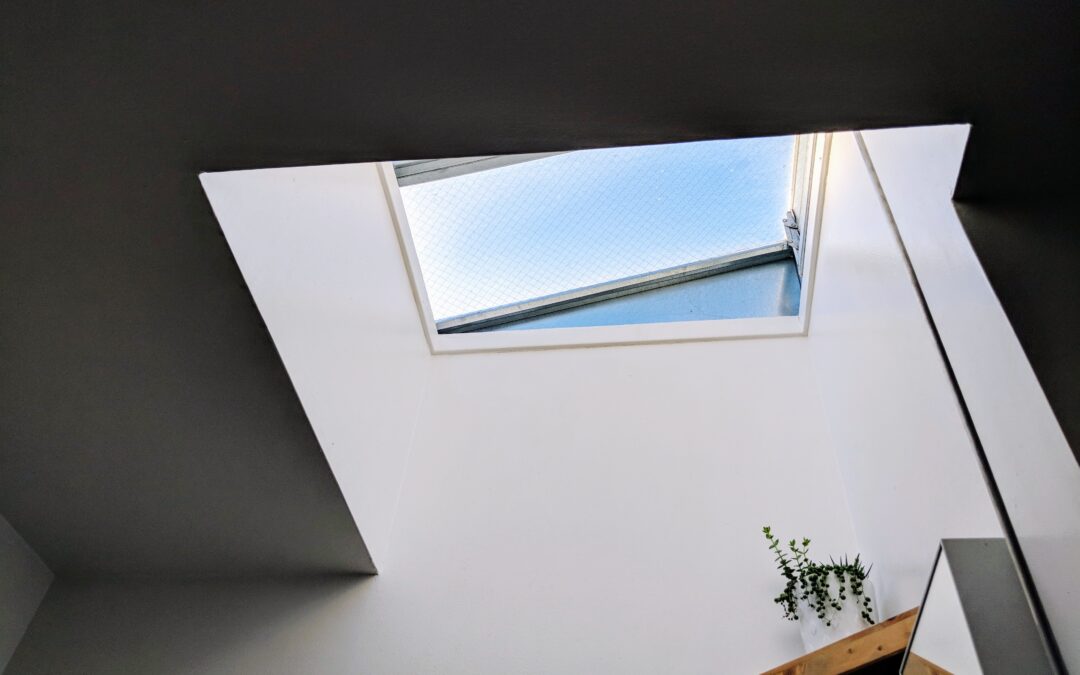
Many homeowners love the look of skylights — they let in plenty of natural light, even during the darker months, and they go a long way to bring nature into your home. That said, homeowners are also wary of skylights, because of the reputation they have for developing costly roofing leaks.
Here at Werner Roofing, we install quite a few skylights a year, and we’re happy to say that when installed and maintained properly, a skylight can last you just as long as the roof itself. But, if you’ve recently moved into an older home, or if your roof and skylights are getting a little bit older, you still might experience a leak or two. If you do, here’s how to take action to keep your roof, your home, and your family safe:
First, Rule Out Condensation
If you suspect your skylight is leaking, first take a good look at the leak, and observe exactly when you’re noticing the leak happen. Is it just when it’s raining or snowing, or do you notice it happening a lot in the winter, too?
Sometimes, a skylight that’s been poorly insulated will collect condensation due to the differing temperatures between your house and the cold or humid outdoors. If condensation is the problem, and not a true leak, you probably don’t need to call a roofer. Instead, you’ll need to install more insulation around the skylight on the interior, ceiling side.
Inspect the Source of the Leak
Once you’ve ruled out condensation, it’s time to figure out where the leak is really coming from. In general, there are two major culprits:
There’s a leak between the glass and the skylight frame
If water seems to be seeping through between the glass of the skylight and the skylight window frame, then your roof probably isn’t the problem. This is more likely due to the age of the skylight itself. As skylights age, sometimes their weather seals dry out and crack, and over time general wear and tear can cause them to pull away from the glass.
If this seems like the type of leak you have, you might try caulking around the glass with clear, silicone caulk. It’s good to know that you should try and wait for a very dry day when there’s no water in the window. When water becomes trapped in between the panes of glass and the weather seal, your skylight could look permanently foggy because of the moisture that’s stuck in there.
If water does become trapped in the skylight following your caulking attempt, the only way to fix the fog is to replace the skylight.
There’s a leak between the skylight frame and the roof
If you’re noticing water seems to be leaking from your skylight, but the ceiling around it is a little damp too, then you’re probably looking at a leak that is the fault of the roof. Most of the time, these leaks happen when the flashing on the skylight and the roof around the skylight wear out, but they can also happen if the skylight was improperly installed.
In this case, your best bet is to call a roofer. Leaks like this are more serious because if they’re left unchecked they can grow to affect other parts of your roof.
That said, a skylight leak on the roof side is a fairly easy fix, especially if the flashing is to blame. When you call a reputable local roofer that you trust, they’ll come out to make an inspection, and let you know for certain what’s happening. If the flashing is to blame, they’ll tear off the existing flashing, and install new around the skylight.
If the skylight itself was poorly installed, the repair might take a little bit more work, but your roofer should be able to make the necessary adjustments to stop the leak.
In the end, nearly all skylight leaks are fixable, and most of them aren’t a big problem unless you wait far too long to address them. If you notice a skylight leaking, it’s always better to take action right away, rather than wait for the leak to get worse.
Do you have a leaking skylight? If you’re noticing a drip that you’re not sure how to fix, Werner Roofing is happy to help. Give us a call at 616-844-5382 or contact us online for your free estimate today.
by Ben Johnson | May 15, 2018 | Roof Maintenance, Roof Repair
The last thing you want during a rainstorm is water dripping from your ceiling. Your roof is the part of your home responsible for keeping you and your family dry, and when it fails, it can be tough to know what to do. Sure, you can put a bucket or pot under the drip, but that’s just a short-term fix. If you’re looking for the best, most effective way to stop a roof leak in its tracks, or at least until a roofing professional can get to it, here’s what you need to do:
Find the source
If you’ve noticed water stains or drips coming through your ceiling, the first thing you need to do is figure out where the water is coming from. There’s a possibility your roof may not be to blame. Head upstairs and uphill from where you’ve spotted the damage or the leak, to find where the water is coming from. As you make your way up to the attic, check to make sure that none of your plumbing or appliances, like the toilet or washing machine is the culprit.
Take a flashlight
If you’ve noticed water coming through your ceiling, it’ll probably be easy to find the source of the leak because of puddling water, but if you’ve caught the problem in time, it may be a bit more difficult. Take a flashlight with you to shine on the ceiling of the attic to identify any holes in the roof. The flashlight should also help you find any dark spots that indicate water has seeped into the plywood subflooring.
Control damage
Once you know where the water is coming from, you can control it to an extent. Put buckets out on the floor wherever water is dripping, and do your best to dry the areas that have already gotten wet. Consider your job as triage right now. Do what you can to clean up the worst of the mess, and keep your home as dry as possible while you get to stopping the water temporarily.
Stop Flow of Water Temporarily
Since you’re experiencing a leak, there’s probably something wrong with your roof. Whether you’ve got a hole, a crack in the flashing, or missing shingles, it’s likely that you’re going to need some professional help one way or another. You can’t just let your home continue to damage while you’re waiting for your roofer, though, so it’s a good idea to see what you can do to stop the flow of water until an expert can fix the issue permanently.
Roofing cement or tape
The easiest solution is to apply roofing cement or roofing tape to the inside of your roof to plug the leak. This certainly isn’t a long-term solution, but it should save your home and roof until someone can get together the right tools and materials to stop the roof leak.
Tarping
Another good way to stop the water from coming in is to place a tarp on top of the space where water is coming in. If you’re feeling agile, you’ll want to take your tarp up on the roof with you, and place it over the leak, so the water is blocked from entering. This is typically a more effective temporary solution than roofing cement or roofing tape, because it stops the water from getting in at all, but it is definitely more dangerous. Only put a tarp up if you have worked on the roof before, and are comfortable securing the tarp.
Call your roofing expert
While you probably could go out to the hardware store and purchase a few shingles to patch up the area, it’s a better idea to call your local roofing expert. Water damage can be tricky, and if the water had been trickling in for a while, you may have more extensive damage to the sub-roofing, which will mean a bigger, more complicated job that’s better suited for a professional.
Additionally, there’s no guarantee that the shingles are to blame. It could be the flashing, a roofing nail that didn’t quite hit its mark, or any number of things that a roofing professional will be able to identify and repair quickly. At the very least, you should have a roofer come out to inspect the damage, to make sure it’s not a larger problem than it seems.
Watch for Roof Damage in the Future
Once you get your current roof damage taken care of, don’t let yourself forget about the potential for problems in the future. Roof damage is much easier, and less expensive, to fix when it’s caught early. That’s why it’s important to be vigilant and watch for signs of potential roof damage. The quicker you diagnose a problem, the easier it will be to fix.
If you’ve got a leak in your roof that needs looking at, give Werner Roofing a call! We’re a trusted local roofer with years of experience. We’ll come out, give your roof and leak a look, and provide you with an estimate before we start any work. Request a free quote, or contact our office at 616-844-5382 to set up your inspection today!

by Ben Johnson | Apr 2, 2018 | Asphalt Roofing, Gutter Maintenance, Gutter Systems, Metal Roofing, Roof Maintenance, Roof Repair, Uncategorized, West Michigan Roofing Blog
Contact: Kris Werner
Phone: 616-844-5382
Email: kris@wernerroofing.com
Website: https://wernerroofing.com
(more…)
by Werner-Admin | Nov 28, 2017 | Roof Repair
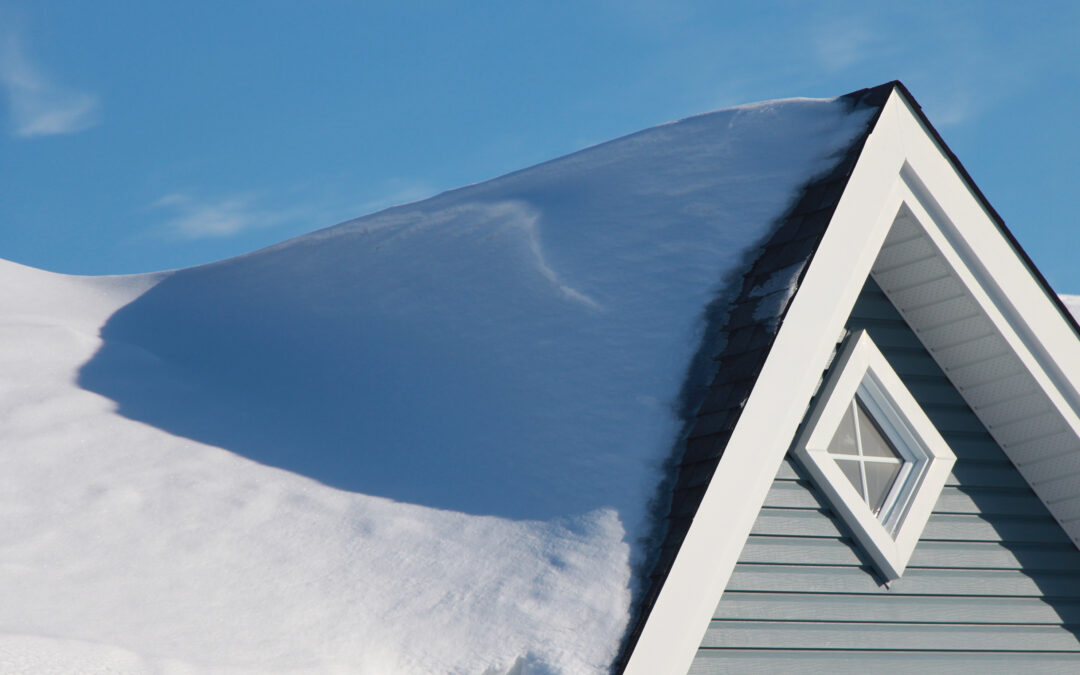
Winter is a beautiful season, with its glistening snowflakes and cozy fireside evenings. However, for homeowners, it can also bring a unique set of challenges, especially when it comes to roof maintenance and repairs. Roof repair in winter has its own set of pros and cons, and the question often arises: Can you replace a roof in winter?
While it’s best to get roof repairs done in the summer, know that it’s possible to have your roof checked and repaired this winter. Like any repair, there are advantages and disadvantages to tackling roofing issues during the colder months, so flexibility is key.
The 4 Best Benefits of Winter Roof Repair
1. Lower Cost
Most roofers do the majority of their work in the warmer seasons. Summer is their busiest time because the weather is warm and predictable. Many homeowners schedule their roof repairs during this time because they have free time, and the weather is most likely to cooperate.
When winter comes around, roofers typically have much fewer jobs. In many cases, roofers will offer off-season prices to clients looking to book winter repairs so they can keep their schedule full during the colder months. So, one great reason to book winter roof repairs is to take advantage of those lower roof repair prices and the open availability of your local roofer.
2. Preventing Further Damage
Winter conditions can be tough on your roof. Heavy snowfall, ice dams, and freezing rain can cause significant damage. So, it’s best to take care of those issues sooner rather than later. By scheduling your roof repair for the winter, you can ensure that your home is 100% prepared for the coming winter storms. Plus, you’ll have a professional to identify and take care of any issues you may have yet to be aware of before they become a bigger problem.
3. Improving Energy Efficiency
It’s no secret that Michigan winters are downright cold. From freezing rain to snow accumulation, your roof is one of the only things between your family and the chilly weather outside. If there are any cracks, ripped or curled shingles, or leaks, your roof will let out the heat you’ve been using to keep your home warm, resulting in costly energy bills. Repairing or replacing damaged sections of your roof during winter can help reduce heat loss, ultimately leading to lower heating bills.
4. Protection from Heavy Spring Showers
Michigan is well known for heavy spring rains. The last thing you want during spring showers is a winter-damaged roof that leaks and allows all that rain to seep into your home. By fixing your roof in the winter, your home will be prepared for those spring rains. Plus, if you plan to sell your home, it’s best to repair your roof before the selling season begins. This way, you can start showing your home as soon as the weather warms up.
The Most Common Challenges of Roof Repair in Winter
1. Scheduling
While your roofer may have more availability in the winter, often you may not. Winter can get busy with holidays, vacations, hosting guests, and daily hustle. This can make it difficult to find a block of time that will work to have your roof repaired. If you want to be there while the roofers are working, it might take a while to find some compatible dates, and since the jobs might take a bit longer, you’ll have to allocate more time to the project.
2. Limited Working Hours
Winter weather can be unpredictable and harsh, making it challenging to perform roof repairs. Snow, ice, and freezing temperatures can interfere with work days and slow down the repair process. Additionally, less daylight in winter means that roofers have less time to work each day, potentially prolonging the repair timeline.
3. Delayed Sealant and Adhesive Bonding
While it’s usually cheaper to get your roof fixed in the winter, it might also take longer. Shingles require a specific temperature range to seal properly and ensure your roof is intact. Because winter temperatures in Michigan are so cold, it can often take much longer for the curing and bonding of sealants and adhesives to take effect, making roof construction a bit more complex and time-consuming.
4. Potential Safety Hazards
Roof repairs in winter may pose more safety hazards than those in spring and summer. There’s often a lot of snow and ice, and your roofer will have to take extra care to ensure they’re keeping themselves safe on the roof. Typically, this means waiting for a few warm and dry days to allow ice the chance to melt a bit. Know that most roofers are very careful and climb up roofs just about every day for a living, so they are prepared to carry out roof repairs in the winter. Though it will be more difficult for them to complete a job and likely take a bit more time, most roofers will only accept jobs they know they can achieve safely.
Begin Your Home’s Winter Roof Repair Before It’s too Late with Werner Roofing
Roof replacement in winter is possible but requires careful planning and consideration of the unique challenges posed by cold weather conditions. Ultimately, the decision to undertake roof repairs or replacement in winter should be based on your home’s specific needs and your contractor’s recommendation.
At Werner Roofing, our team has many years of experience inspecting and installing roofs during every season. So, if you’re considering repairing your roof this winter, contact us for a free roofing estimate. We would be happy to prepare your home for the upcoming season.

by Werner-Admin | Oct 27, 2017 | Roof Repair
When it comes to home maintenance, few things are as crucial as your roof. It shields you from the elements, provides insulation, and maintains your home’s overall structural integrity. So, when is the best time to get a new roof?
Although the answer may surprise you, it’s fall. For more than a few reasons, it’s the ideal time of year to embark on your roofing project. Learn why fall is the best time to get a new roof and take full advantage of this ideal roofing season.
7 Reasons Why Fall Is the Best Roofing Season
1. Ideal Weather
One of the primary reasons why fall is the best time for a roofing project is the mild weather. The summer heat has subsided, and the winter chill hasn’t set in yet. This Goldilocks zone of temperatures is perfect for roofing contractors to work efficiently without the extremes of heat or cold. Shingles adhere better in moderate temperatures, and roofing materials are less likely to crack or warp.
2. Extended Roof Life
Replacing your roof during the fall can extend its lifespan. By addressing any issues or wear and tear before winter’s harsh conditions arrive, you’re ensuring that your roof can withstand heavy snow, ice, and freezing temperatures. This proactive approach can save you money in the long run, as you’re less likely to face costly repairs or replacements due to winter damage.
3. Availability of Roofing Contractors
In the roofing industry, demand tends to be highest during the spring and summer roofing season. Many homeowners decide to tackle roofing projects during these seasons, causing a surge in demand for contractors. However, this demand starts to decrease during the fall, making it easier to schedule a roofing project that suits your timeline. You’ll have more flexibility in choosing the right contractor for your needs and potentially save on labor costs due to lower demand.
4. Roofing Materials are Readily Available
Like contractors, roofing material suppliers often experience increased demand during the spring and summer. By scheduling your roofing projects in the fall, you’ll have easier access to a wide range of roofing materials. This means you can choose from various options, styles, and colors to find the perfect fit for your home without the risk of material shortages.
5. Ideal Conditions for Sealants and Adhesives
Roofing projects involve a variety of adhesives and sealants that need the right conditions to set and cure properly. Fall’s moderate temperatures create an ideal environment for these materials to bond effectively. Ensuring proper adhesion is crucial for the longevity and performance of your roof, making fall an excellent time to ensure the job is done right.
6. Preparing for Winter
Winter can be especially harsh on roofs, with the weight of snow and ice posing a threat to their integrity. By installing your new roof in the fall, you’re ensuring your home is well-prepared for whatever winter throws its way. You’ll have peace of mind knowing that your roof is in top-notch condition to protect your home and loved ones from the cold and wet weather.
7. Energy Savings
A new roof installed during the fall can contribute to energy savings throughout the winter. Proper insulation and sealing are essential components of a new roof, and they help maintain a comfortable indoor temperature. By reducing heat loss, your home will require less heating, leading to lower energy bills and a more environmentally friendly footprint.
Ready for a Fall Roofing Project? Werner Roofing Can Help!
If you’re looking for the best time to get a new roof, fall is the ideal season. The mild weather, extended roof life, material availability, and more make fall the prime time for roofing projects. By tackling this vital home improvement task during the autumn months, you’ll ensure your home is ready to face the challenges of winter and enjoy the benefits of a sturdy, well-maintained roof for years to come. So, embrace the upcoming roofing season and invest in your home’s protection and comfort by scheduling your roofing project this fall with Werner Roofing.
If you’ve been putting off roof repairs or a total re-roofing project, now’s the time to schedule! Give us a call at 616-844-5382 or request a free estimate for your fall roof repairs today.
by Werner-Admin | May 2, 2017 | Roof Maintenance, Roof Repair, West Michigan Roofing Blog
We get it, roof repair can be a bit of a hassle. It’s one of those home improvement tasks you can’t necessarily fix yourself: you have to arrange to have your local roofing professional come out, and you have to shell out cash for the repair that you don’t necessarily want to spend. While your roof might usually feel like your last home improvement priority, it’s important to remember that your roof is your number one defense against the weather. It’s what keeps your home and family safe and dry. Since it is such an important feature of your home, it’s worth considering moving your roof up the priority list.
If you’ve been putting off roof repairs, or you’ve quite honestly forgotten about roof maintenance, here are 5 reasons you might want to rethink your home improvement priorities:
Roofs seriously affects property value and curb appeal
If you’re considering selling your home within the next few years, you’ll really want to put some effort into that roof. The condition of your roof is one of the first questions a potential homebuyer is going to ask, and it’s one of those obvious features that you can’t really twist the truth on. A neglected roof is a very apparent thing 0 prospective buyers will be able to tell just driving up if you’ve kept it up or if something’s been left in disrepair for far too long. A roof that won’t need much maintenance post-sale could even allow you to raise your asking price.
The sooner it’s fixed, the less it will cost you
Even if you’re not planning on selling your home in the near future, it’s important to note that the sooner you get repairs done, the less you’ll have to spend in the long run. Nearly all roof damage will get progressively worse: if you’ve lost a shingle, it can easily turn into a leak over time; if your roof has a leak, serious water damage can occur if the leak isn’t taken care of. Your best bet is to call up your local roofing professional as soon as you notice a problem. They can fix minor issues for minor costs.
Insurance
In the same vein as saving money, know that your insurance adjuster will be able to tell if you waited too long to call a roofing repair professional. If you request a service as soon as you notice damage, your insurance is likely to cover most of your claim, depending on the type of damage. But if you wait too long to get an issue fixed, you’ll probably only receive compensation for the cost of a basic repair job before the roof damage worsened from neglect. That means you’ll be paying more out of pocket for that roof repair, when originally it might have all been covered under your homeowner’s insurance policy.
Air Quality
It should come as no surprise that Michigan is a very humid place, especially in the summer. If there are any damages to your roof that allow water and humidity to seep into your home, it’s easy for mold to grow in sneaky places like exterior walls and ceilings. Mold in the home seriously decreases your air quality. If it’s allowed to continue to grow, it’s not surprising to see family members with increased instances of cold and allergy-like symptoms. Mold is an especially difficult issue to remedy, and can cost a lot more than simply patching a hole in the roof would have cost.
Roof Replacement
Roof replacement is a major expense that no one wants to shell out hard-earned cash for. And in reality, you shouldn’t have to more than once or maybe twice in a lifetime. A well-maintained asphalt roof can last upwards of 30 years and is easily replaced, but a roof that’s been neglected is another story. When you continue to put off roof repairs, they get worse and worse and can deteriorate your roof to the point that you’re forced to purchase a new roof far sooner than you should. What’s more, when it comes time to replace a roof, one that’s been neglected will be far more expensive. This is because neglected roofs often breed damage on a structural level – trapped moisture can rot support beams and grow mold within your ceiling – and this damage has to be taken care of before a new roof can go on the house.
While roof repair isn’t always the most fun home improvement project, it is a very important one. A damaged roof can lead to a whole host of structural problems that will cost you big in the long run. Get out in front of major repairs and call your local roofing professional at the first sign of a problem–you’ll save your roof and your wallet.
If you have questions about your roof, or if you’d like a roofing inspection to make sure everything is in order, feel free to give the experts at Werner a call. We’re one of West Michigan’s foremost roofers and have been servicing the area for decades. Werner Roofing would be happy to give you a free, no-obligation estimate on any roofing issue you’ve been having. Just give us a call at 616-844-5382 or request your free estimate online today!